
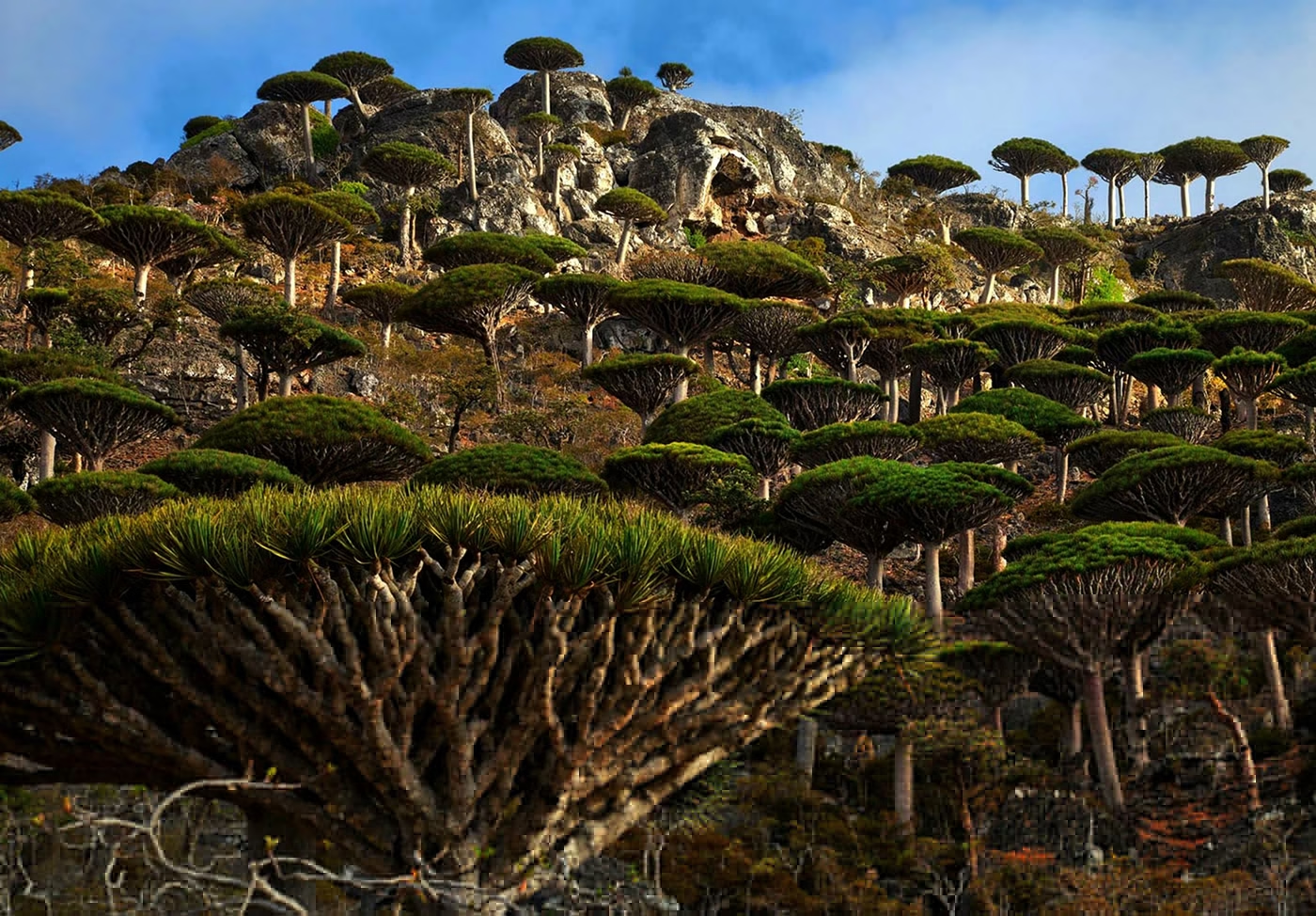
A once-overlooked island is rapidly becoming one of the world’s most talked-about travel destinations. Socotra Island, long protected by isolation, is drawing travelers seeking untouched nature, slow living, and authentic culture. With surreal landscapes, rare biodiversity, and minimal tourism, this forgotten island gem offers what modern travelers crave most—space, silence, and perspective.
For decades, it barely appeared on travel maps. No glossy brochures. No resort commercials. No viral bucket lists. Yet today, an increasing number of Americans are searching for flights, permits, and guided tours to a remote island many had never heard of before.
That island is Socotra.
Travel forums, Google Trends, and niche tour operators are reporting the same phenomenon: a quiet surge of interest from travelers who are deliberately avoiding mainstream destinations. They aren’t chasing luxury or nightlife. They’re chasing something harder to define—but easier to feel.
They’re chasing authenticity.
What Is This “Forgotten Island Gem” Everyone Is Talking About?
Socotra is an archipelago located in the Arabian Sea, roughly 240 miles east of the Horn of Africa. While politically part of Yemen, it feels culturally, geographically, and emotionally detached from the modern world.
For millions of years, Socotra evolved in isolation. That isolation shaped everything—from its landscapes to its language. According to UNESCO, more than 35–40% of Socotra’s plant species are endemic, meaning they exist nowhere else on Earth. That percentage is higher than many globally famous biodiversity hotspots.
Despite this extraordinary status, Socotra remained largely unknown outside scientific and adventurous travel circles. Infrastructure was minimal. Access was limited. Tourism was never a priority.
Ironically, those very limitations are what now make it irresistible.
Why Is Interest in Socotra Suddenly Exploding?
Socotra didn’t change.
Travelers did.
Americans Are Actively Avoiding Over-Tourism
Over the last decade, iconic destinations have struggled with overcrowding. Beaches filled beyond capacity. Historic towns turned into photo queues. Entire cities reshaped around short-term visitors.
For many travelers, the joy of discovery was replaced by exhaustion.
Socotra represents the opposite:
- No cruise ships
- No influencer hotspots
- No curated experiences
Instead, it offers silence, space, and landscapes untouched by mass tourism.
The Rise of Slow Travel and Digital Burnout
Search data shows a sharp rise in interest around:
- Digital detox travel
- Off-grid destinations
- Slow tourism
Socotra aligns perfectly with these desires. Internet access is inconsistent. Electricity is limited in rural areas. Daily life follows natural rhythms rather than schedules.
Visitors often report discomfort during the first few days—followed by deep mental clarity.
In a world dominated by screens and speed, Socotra feels radical.
Social Media Didn’t Create the Trend—It Revealed It
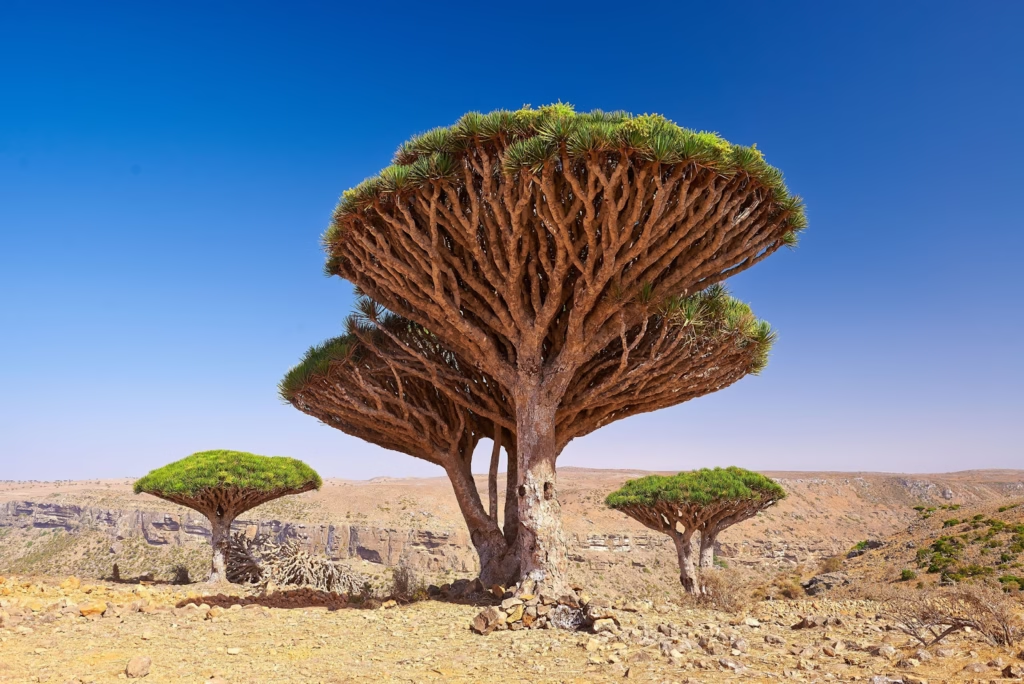
A handful of striking images sparked curiosity rather than saturation. Photos of dragon’s blood trees, surreal plateaus, and untouched coastlines circulated online with captions like:
“This looks fake.”
“I didn’t know places like this still existed.”
Unlike heavily promoted destinations, Socotra’s appeal spread quietly—through disbelief rather than hype.
What Makes Socotra Truly Different From Other “Hidden” Islands?
Many places claim to be undiscovered. Few genuinely are.
Socotra stands apart because it was never designed for visitors.
Nature That Predates Modern Civilization
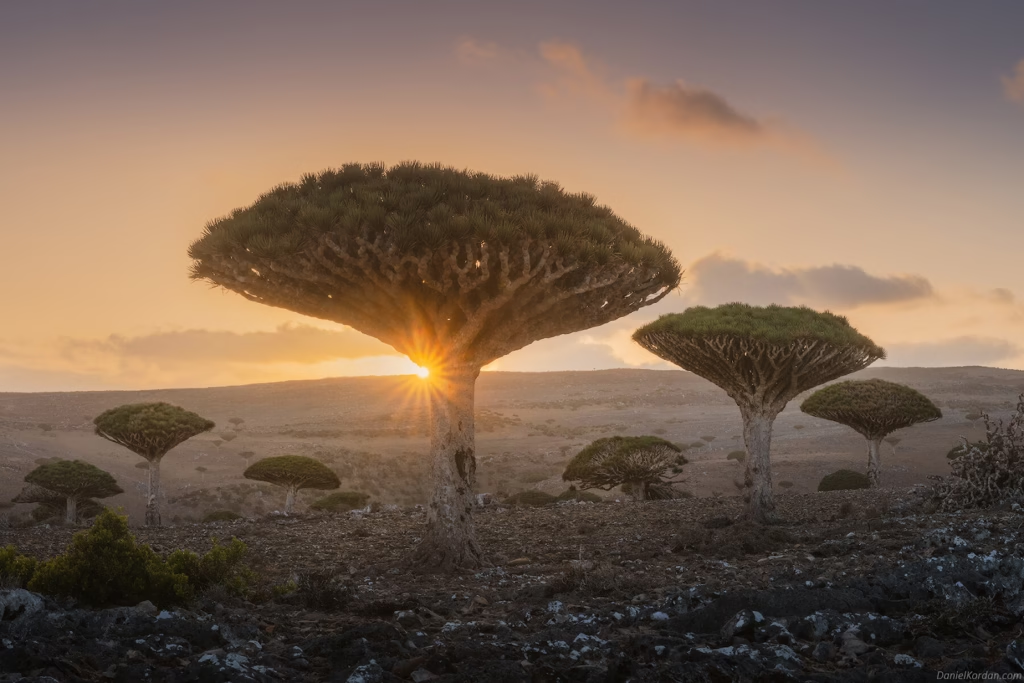
The island’s most iconic symbol, the dragon’s blood tree (Dracaena cinnabari), looks like something from another planet. Its umbrella-like shape traps moisture, allowing it to survive harsh conditions. When cut, it releases a deep red resin historically traded by ancient civilizations for medicine and dye.
Beyond the trees, Socotra offers:
- Limestone plateaus shaped by wind
- White sand dunes meeting turquoise seas
- Cave systems inhabited by humans for thousands of years
This is not preserved nature. It is unchanged nature.
A Culture That Exists Without Performance
Socotra’s people speak Soqotri, an ancient Semitic language with no written script. Knowledge is passed orally—from elders to children—just as it has been for centuries.
There are no staged dances. No cultural shows for tourists. Life unfolds as it always has.
For travelers accustomed to curated experiences, this feels profoundly real.
What Is It Actually Like to Visit Socotra?
Most travelers arrive expecting dramatic scenery. They leave talking about time.
Without constant digital stimulation, days feel longer. Conversations slow down. Even sleep patterns adjust to sunrise and sunset.
One American traveler described showing villagers photos of Manhattan. The locals laughed—not in awe, but confusion. The city looked loud, crowded, and exhausting.
In that moment, the traveler realized something important:
Socotra wasn’t behind the times.
It simply never agreed to them.
Is Socotra Safe for American Travelers?
This is one of the most frequently searched questions—and it deserves a clear answer.
While Yemen has faced instability, Socotra itself has remained largely peaceful due to its geographic isolation and strong local governance. Tourism is tightly regulated, and visitors typically travel with licensed operators.
According to international travel organizations:
- Violent incidents on Socotra are extremely rare
- Locals are known for hospitality and protectiveness
- Travel requires planning, not spontaneity
Socotra is not a casual vacation—but for prepared travelers, it is widely considered safe.
Why Are Bookings Increasing Right Now?
Post-Pandemic Travel Values Have Shifted
Before 2020, travel often centered on convenience and prestige. After years of disruption, travelers are asking deeper questions:
Why am I traveling?
What do I want to feel?
Socotra appeals because it offers:
- Meaning over luxury
- Presence over entertainment
- Experience over status
Travelers aren’t just booking trips. They’re seeking reset points.
Practical Advice Before Booking a Trip to Socotra
Socotra rewards preparation and punishes assumptions.
Realities to Expect
- No ATMs or card payments
- Limited medical facilities
- Basic accommodations (eco-camps, homestays)
- Weather-dependent travel schedules
What You Gain Instead
- Night skies untouched by light pollution
- Genuine human connection
- Mental stillness rarely found elsewhere
- Perspective that lasts long after the trip
For most visitors, the absence of comfort becomes the highlight.
Can Socotra Stay This Way Forever?
This is the island’s greatest challenge.
As awareness grows, conservationists worry about:
- Climate change affecting fragile ecosystems
- Overexposure through viral content
- Pressure to modernize infrastructure
UNESCO and local authorities actively limit tourism to protect ecological and cultural balance. Growth is intentionally slow.
The goal isn’t to keep Socotra hidden—it’s to keep it intact.
Why This Forgotten Island Resonates So Deeply Right Now
Socotra is not just a destination.
It is a counterargument.
In a world optimized for speed, consumption, and constant stimulation, it proves that:
- Slowness can be fulfilling
- Isolation can be peaceful
- Simplicity can be rich
That is why people are suddenly booking trips—not to escape life, but to remember how it feels.
Frequently Asked Questions (Trending Searches)
1. Why is everyone suddenly traveling to Socotra Island?
Ans. Growing interest in slow travel, digital detox experiences, and untouched destinations has made Socotra especially appealing to modern travelers.
2. Where is Socotra Island located?
Ans. Socotra is located in the Arabian Sea, east of the Horn of Africa, and is politically part of Yemen.
3. Is Socotra safe for American tourists?
Ans. Yes, when visited through licensed operators. The island itself remains peaceful, though planning is essential.
4. Why is Socotra considered a forgotten island gem?
Ans. Its isolation, limited infrastructure, and lack of mass tourism kept it off mainstream travel maps for decades.
5. What makes Socotra different from other islands?
Ans. Its high number of endemic species, ancient landscapes, and preserved cultural traditions set it apart globally.
6. How many tourists visit Socotra each year?
Ans. Only a few thousand visitors arrive annually, far fewer than most popular island destinations.
7. Is Socotra a UNESCO World Heritage Site?
Ans. Yes, it is recognized for its exceptional biodiversity and ecological significance.
8. What is the best time of year to visit Socotra?
Ans. October through April offers the most favorable weather and sea conditions.
9. Are there luxury hotels on Socotra?
Ans. No. Accommodations are primarily eco-camps and local homestays.
10. Will Socotra remain untouched in the future?
Ans. Conservation efforts aim to preserve it, but climate change and increased awareness present ongoing challenges.
Final Takeaway
Socotra didn’t suddenly become special.
The world simply became ready to notice it.
As travelers move away from crowded destinations and curated experiences, this forgotten island gem offers something rare: truth without polish.
That is why everyone is suddenly booking trips here.
And that is why Socotra may never feel forgotten again.
-xxx-
Video link – https://www.youtube.com/watch?v=NPmKJHUSsF4





Leave a Reply