

Travel in 2025 looks nothing like it did even a few years ago. Americans are secretly shifting away from old-school, rigid vacation planning and embracing flexible, tech-powered, spontaneous ways of booking trips. From AI-powered travel tools to remote-work vacation hybrids and domestic road-trip booms, this guide reveals the new strategies redefining how Americans get away — and how you can use them too.
The Hidden Shift in How Americans Travel
The traditional vacation formula — choose dates months ahead, lock everything in early, follow tourist itineraries — simply doesn’t fit the new travel reality. The past few years have changed everything: how people work, how they value time, how they explore new places, and even what they expect from a vacation.
In 2025, Americans are booking trips in ways their parents never imagined: spontaneous bookings, mobile-led planning, secret fare-drop strategies, slow-travel–inspired stays, road-trip revivals, and deeply immersive local getaways.
If your vacations still follow the “plan early, stick to the script” model, you might be missing out on cheaper prices, richer experiences, and more flexibility. This article breaks down exactly what modern travelers are doing differently — and how these methods can completely re-shape the way you see travel.
Why 2025 Became a Turning Point for U.S. Travelers
A perfect storm of cultural, economic, and technological shifts has changed the way Americans approach vacations:
1. Domestic travel is dominating again.
Many travelers are skipping big, expensive international excursions in favor of affordable, meaningful U.S. experiences. Road trips, national parks, local towns, and hidden-gem cities are winning over Americans who want adventure without the chaos of long flights and restrictive itineraries.
2. Booking habits have gone mobile.
A majority of travelers now book from their phones — not laptops, not travel agencies. This shift has fueled last-minute booking culture, quicker decisions, and personalized deal-driven travel.
3. Remote work reshaped everything.
People no longer need to cram vacations into narrow windows. Remote workers are extending trips, taking “workcations,” blending weekdays and weekends, and even spending weeks exploring new cities while still clocking in from their laptops.
4. Travelers want meaning, not just miles.
The modern vacation is less about checking off tourist stops and more about local immersion — food, culture, connection, sustainability, and authenticity.
When you combine these trends, you get a completely new travel ecosystem — one that’s more flexible, more tech-savvy, and far more personal.
What the “Old Vacation Model” Gets Wrong
Most people still plan vacations the way they did years ago:
- Choosing dates 3–6 months in advance
- Booking flights and hotels at the same time
- Following a predictable list of attractions
- Treating vacations as high-stress, “once-a-year” events
- Believing earlier booking automatically means cheaper prices
But this model has major flaws:
- It’s inflexible. Life changes — schedules shift, work gets busy, weather varies.
- It’s usually more expensive. Last-minute fare drops and dynamic pricing often favor spontaneous travelers.
- It leads to tourist-trap travel. The most popular things aren’t always the best experiences.
- It ignores how people actually live and work today. Remote work, flexible schedules, and lifestyle travel deserve a modern approach.
The result? Burnout, overspending, overcrowded vacations, and the constant feeling that your trip didn’t deliver what you hoped.
Modern travelers realized this — and quietly abandoned the old ways.

How Americans Are Secretly Booking Smarter in 2025
Below are the strategies quietly shaping how Americans book travel today. These aren’t travel hacks — they’re a new system.
1. Last-Minute Booking Is the New Normal
The belief that “earlier is always cheaper” is fading.
Thanks to mobile-friendly apps and dynamic pricing, many Americans now:
- Wait for fare drops
- Monitor price alerts
- Book trips within 7–14 days of travel
- Take spontaneous weekend getaways
- Allow deals to dictate the destination
Example:
Sarah, a Chicago marketing manager, waited until two weeks before Labor Day weekend to book her trip. When airfare dipped unexpectedly, she booked a flight, found a boutique Airbnb, and enjoyed one of her best vacations — all thanks to last-minute flexibility.
2. AI and Travel Apps Are Becoming Personal Travel Agents
AI-driven travel tools now deliver what traditional planning never could:
- Tailored destination suggestions
- Notifications about secret fare drops
- Recommendations based on preferences and past behavior
- Real-time itinerary updates
- Local experience suggestions beyond tourist traps
Travelers now use AI to find deals, uncover hidden-gem accommodations, explore lesser-known destinations, and optimize travel costs.
Example:
Tim, a freelance designer in Denver, received an AI alert for a 40% off cabin stay in Lake Tahoe. He booked the entire trip within minutes — something he would have missed without real-time AI assistance.
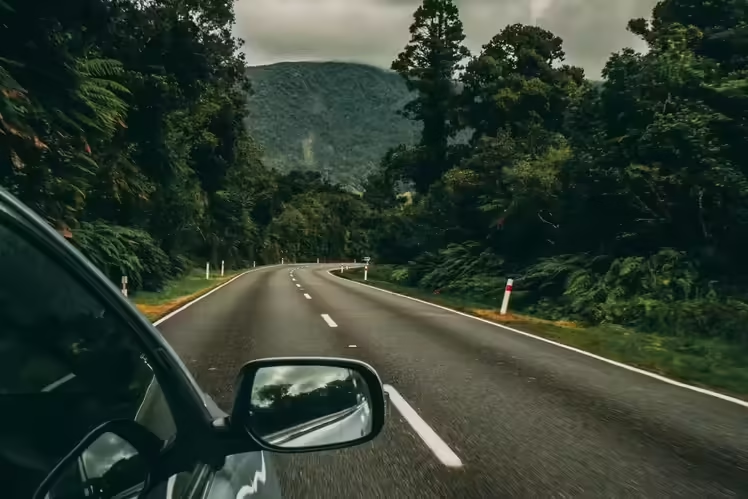
3. Road Trips and Staycations Are Replacing Long-Haul Trips
Why?
- Lower cost
- More freedom
- No airport hassle
- Cleaner, simpler packing
- Better for last-minute decisions
- Easier for families with kids and pets
Many Americans now prefer:
- 2–4 day cabin stays
- Lakeside retreats
- Mountain towns
- Regional beaches
- Small cities with charm and culture
Example:
A Minneapolis family replaced their expensive Europe trip with a 4-day drive to a forest cabin. The dad worked mornings; the family explored lakes and trails after lunch — for less than half the cost of a traditional international vacation.
4. Workcations and Bleisure Travel Are Exploding
Remote work completely changed travel planning.
Americans now:
- Travel during off-peak seasons
- Stay for 2–4 weeks instead of 3–5 days
- Work from cafes, Airbnbs, and co-working spaces
- Extend vacations by working remotely for part of the trip
- Choose destinations specifically for comfort + inspiration
Example:
Jasmine, a software engineer from Seattle, spent three weeks in Santa Fe. She worked in the mornings, hiked in the afternoons, explored art galleries on weekends, and returned home feeling more refreshed than any typical vacation could offer.
5. Authentic, Local, Sustainable Travel Is in High Demand
Modern travelers want:
- Farm-to-table food
- Local markets
- Less crowded attractions
- Eco-friendly stays
- Cultural immersion
- Experiences over sightseeing
This shift has pushed travelers away from commercial tourism and toward deeply meaningful, hands-on travel.
Example:
A group from Austin stayed at an eco-lodge in Asheville, attended pottery workshops, and explored small local businesses. Their experience was more memorable than any big resort trip.
Should You Change Your Booking Style?
YES — and here’s why:
Benefits of the New 2025 Travel Style:
- More spontaneous fun
- Better prices and flexible deals
- More authentic experiences
- Less stress and pressure
- More travel with the same budget
- Better integration with hybrid or remote work
Adopting these methods can completely transform your relationship with travel.
Practical Steps to Start Booking Like a Modern Traveler
Here’s the new playbook in simple actions:
- Stay flexible with your dates to unlock better deals.
- Use AI-powered apps for personalized suggestions and alerts.
- Let price drops guide your destination when possible.
- Mix remote work with travel to extend your trips affordably.
- Explore domestic destinations that offer incredible value.
- Opt for boutique stays, eco-lodges, and local neighborhoods.
- Replace one annual big trip with multiple short adventures.
- Try booking accommodations mid-week for cheaper rates.
- Prioritize meaningful experiences over tourist checklists.
- Be open to road trips, spontaneous getaways, and nearby gems.
10 Frequently Asked Questions About 2025 Travel Trends
1. Is booking last-minute really cheaper now?
Often, yes. Dynamic pricing and mobile deals can make last-minute bookings significantly cheaper — especially for domestic trips.
2. Are AI travel tools reliable for planning trips?
Yes. Many travelers now trust AI for price predictions, personalized recommendations, and hidden deals that traditional search tools miss.
3. Why are so many Americans choosing domestic travel?
Lower costs, less stress, more flexibility, and a rediscovered love for the diversity of U.S. destinations.
4. Is it safe to book flights closer to the travel date?
For popular holidays, no — but for most other trips, yes. Availability is the only risk, not safety.
5. What is a workcation?
A hybrid trip where you work part of the day and vacation during off-hours. It extends travel without using extra vacation days.
6. Are road trips more popular now?
Absolutely. They offer freedom, affordability, and endless options for short getaways.
7. Should I still use traditional travel agencies?
Only for highly complex international trips. For most vacations, mobile apps and AI-powered platforms offer better deals and faster results.
8. Is sustainable travel really trending?
Yes — travelers want eco-friendly stays, local culture, and authentic experiences, not commercialized tourism.
9. Are shorter vacations more common now?
Yes. Instead of one long vacation, many Americans now take multiple 2–4 day trips throughout the year.
10. How do I avoid overpaying for travel in 2025?
Stay flexible, use price alerts, compare multiple booking apps, avoid peak weekends, and be open to alternative destinations.
Final Thoughts: A New Era of Travel Has Arrived
Travel in 2025 is no longer about rigid itineraries and expensive deadlines. It’s about freedom, spontaneity, personalization, and connection. Americans are quietly embracing a smarter, more flexible style of vacationing — and now, you can too.
Whether it’s a spontaneous weekend getaway, a month-long workcation, or a cozy cabin road trip, the new travel playbook empowers you to explore more, spend less, and experience deeper joy from every journey.




Leave a Reply