
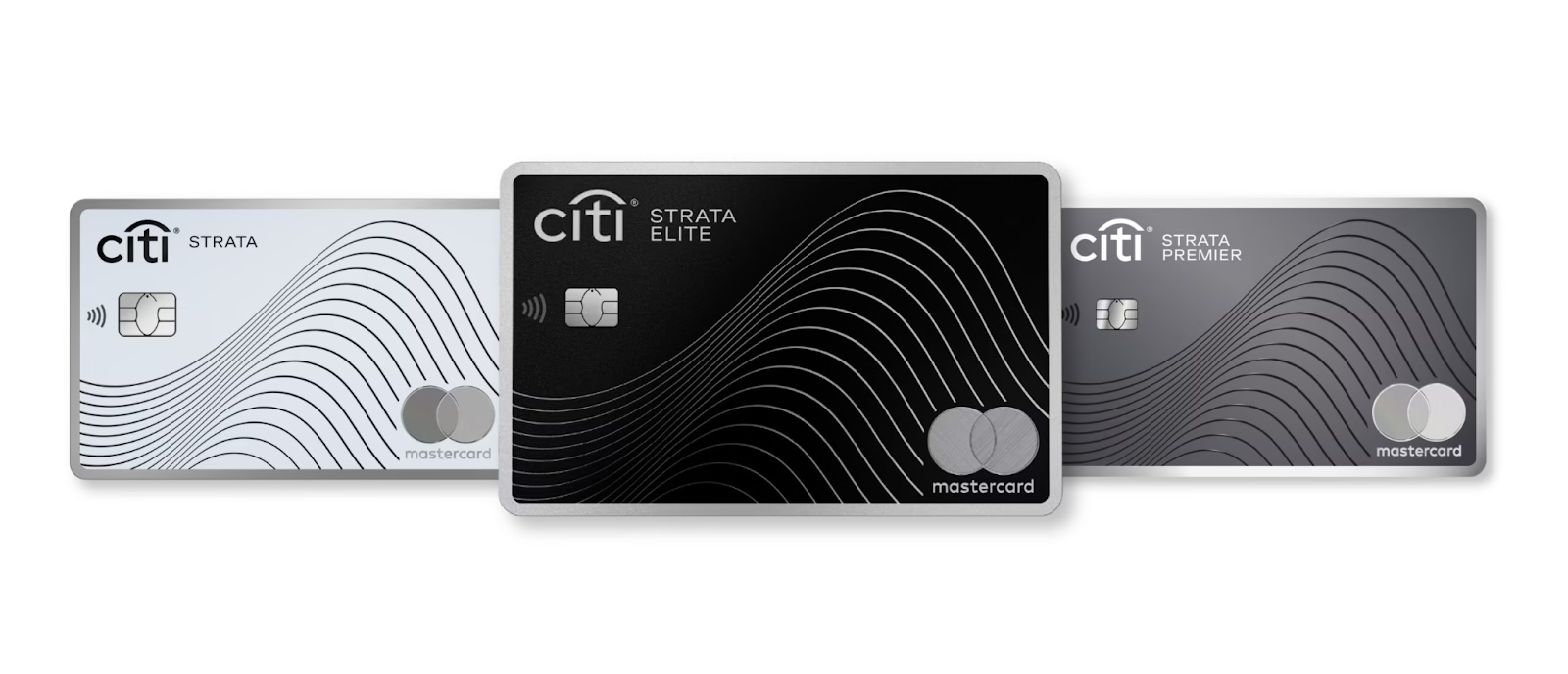
Citi has officially entered the premium credit card battlefield with its new Strata Elite card, directly challenging the long-standing Chase Sapphire Reserve. Both cards promise elite travel rewards, luxury benefits, and high-value credits—but which one truly delivers more value in real life? This in-depth comparison breaks down fees, rewards, lounges, protections, and everyday usability to help you decide which premium card deserves a spot in your wallet.
Why Is Citi Strata Elite vs. Sapphire Reserve the Most Talked-About Card Comparison Right Now?
For years, the Chase Sapphire Reserve held an uncontested position as the go-to premium travel credit card in the United States. It was the card that introduced millions of Americans to airport lounges, flexible travel credits, and premium travel protections—all wrapped in a simple, easy-to-understand package.
Then Citi made a bold move.
With the launch of Citi Strata Elite, Citi didn’t just refresh an old card. It re-entered the premium market with a product clearly designed to pull high-spending, travel-focused consumers away from Chase. The result is one of the most competitive head-to-head matchups in the credit card world right now.
Search trends show a sharp rise in queries like:
- Citi Strata Elite vs Sapphire Reserve
- Is Citi Strata Elite worth it
- Best premium travel credit card 2026
- Should I switch from Sapphire Reserve
This article answers all of those questions—without hype, without bias, and with real-world context.
What Is the Citi Strata Elite Card?
Citi Strata Elite is Citi’s new flagship premium credit card, positioned at the top of its rewards ecosystem. It is designed for travelers and professionals who want flexibility, modern rewards, and strong value without being locked into one airline or hotel brand.
The Strata Elite focuses on:
- High rewards on travel and dining
- Flexible ThankYou® Points redemptions
- Lifestyle and travel credits
- A cleaner, more transparent benefit structure
Industry insiders have described Strata Elite as Citi’s attempt to build a “future-proof premium card”—one that evolves with how Americans actually spend and travel today.
What Is the Chase Sapphire Reserve?
The Chase Sapphire Reserve (CSR) is the card that redefined premium travel rewards in the US. When it launched, it set a new standard for value, simplicity, and benefits.
Even today, Sapphire Reserve is widely respected for:
- Easy-to-use travel credits
- Strong travel and purchase protections
- Chase Ultimate Rewards flexibility
- Premium airport lounge access
For many Americans, Sapphire Reserve isn’t just a credit card—it’s a long-term financial tool they’ve built habits around.
Annual Fees and Value Perception: Which Card Feels More “Worth It”?
Both Citi Strata Elite and Sapphire Reserve sit in the ultra-premium fee category, which naturally raises skepticism.
However, premium cardholders rarely judge value by fee alone. They judge it by net value after credits and benefits.
How Sapphire Reserve Handles Value
Sapphire Reserve’s biggest strength is how effortless it feels. Its travel credit applies automatically to a wide range of travel purchases. You don’t need to activate anything or track categories closely.
For example, a Boston-based consultant who books flights, hotels, and ride-shares regularly often uses the full travel credit within weeks—without even thinking about it.
How Citi Strata Elite Handles Value
Citi Strata Elite takes a more modern, modular approach. Credits are spread across travel and lifestyle categories, which can unlock more value—but only if you’re willing to pay attention.
This structure works exceptionally well for:
- Digitally savvy users
- Frequent travelers
- People who already track expenses and benefits
For passive users, it can feel slightly more complex than Sapphire Reserve.
Rewards Earning: Which Card Generates More Points Over Time?
Citi Strata Elite Rewards Structure
Citi Strata Elite emphasizes earning acceleration in categories where modern Americans spend the most.
Typical strengths include:
- Strong travel earning
- Competitive dining rewards
- Elevated returns on everyday spending
- Broad redemption options
Real-life example:
A San Francisco tech manager who travels monthly and eats out several times a week can generate significantly more points annually with Strata Elite compared to flat-rate premium cards—if they optimize usage.
Sapphire Reserve Rewards Structure
Sapphire Reserve focuses on consistency and simplicity. It rewards travel and dining reliably, without requiring category juggling or constant optimization.
This makes it especially appealing to:
- Busy professionals
- Frequent domestic travelers
- Users who value predictability
According to J.D. Power’s US Credit Card Satisfaction Study, Chase consistently ranks high for ease of use and rewards clarity—an important factor for long-term cardholders.
Travel Credits: Simplicity vs. Flexibility
Sapphire Reserve Travel Credit
The Sapphire Reserve travel credit is widely considered one of the easiest credits to use in the industry. Almost any travel purchase qualifies, and the credit applies automatically.
For people who don’t want to micromanage benefits, this is a major advantage.
Citi Strata Elite Credits
Citi Strata Elite offers a more diversified credit structure, often covering multiple lifestyle and travel categories.
This rewards users who:
- Actively track benefits
- Maximize multiple spending categories
- Value flexibility over automation
Younger professionals and frequent international travelers often extract more total value from this approach.
Airport Lounge Access: Who Wins the Comfort Battle?
Airport lounges have become essential, not optional.
Citi Strata Elite Lounge Access
Citi has expanded its lounge partnerships significantly in recent years. Coverage continues to grow, particularly at major international hubs.
For travelers flying overseas or connecting through global airports, Citi’s ecosystem has become increasingly competitive.
Sapphire Reserve Lounge Access
Chase has invested heavily in its proprietary lounge network, especially in major US airports.
For travelers passing through cities like:
- New York
- Boston
- Los Angeles
- Dallas
Sapphire Reserve lounges often feel like a true premium experience rather than a generic benefit.
Travel Protections: When Things Go Wrong
Travel insurance is often overlooked—until it’s needed.
Sapphire Reserve Protections
Sapphire Reserve has long been considered best-in-class for travel protections, including:
- Trip delay reimbursement
- Trip cancellation coverage
- Primary rental car insurance
- Lost baggage protection
Consumer advocacy groups regularly cite Sapphire Reserve as one of the most reliable cards for travel insurance claims.
Citi Strata Elite Protections
Citi Strata Elite offers strong protections as well, though historically Citi has trailed Chase slightly in claims satisfaction. That gap has narrowed, but conservative travelers still tend to favor Chase here.
Points Redemption: Citi ThankYou vs. Chase Ultimate Rewards
Citi ThankYou Points
Citi ThankYou Points shine when:
- Transferred to international partners
- Used for flexible travel redemptions
- Optimized strategically
Experienced travelers often find Citi’s ecosystem rewarding for global travel.
Chase Ultimate Rewards
Chase Ultimate Rewards are widely praised for:
- Ease of redemption
- Strong domestic airline partners
- Straightforward value
For US-based travelers, Ultimate Rewards remain one of the most user-friendly systems available.
Who Should Choose Citi Strata Elite?
Citi Strata Elite is ideal if you:
- Optimize rewards actively
- Travel internationally
- Use multiple lifestyle credits
- Want flexibility and future-focused benefits
Who Should Choose Sapphire Reserve?
Sapphire Reserve is ideal if you:
- Want effortless value
- Travel frequently within the US
- Prioritize strong travel insurance
- Prefer a mature, proven ecosystem
Final Verdict: The Ultimate Showdown Result
This showdown doesn’t end with a knockout—it ends with clarity.
Citi Strata Elite represents the future of premium credit cards: flexible, modular, and optimized for modern lifestyles.
Chase Sapphire Reserve represents stability and trust: simple, powerful, and battle-tested.
The best card is not the one with the flashiest perks—it’s the one that aligns with how you actually live, spend, and travel.
Frequently Asked Questions
1. Is Citi Strata Elite better than Sapphire Reserve?
Ans. Citi Strata Elite offers more flexibility and optimization potential, while Sapphire Reserve excels in simplicity and travel protections.
2. Which card is better for travel rewards?
Ans. International travelers often prefer Citi Strata Elite, while domestic travelers favor Sapphire Reserve.
3. Is Citi Strata Elite worth the annual fee?
Ans. Yes, if you actively use its credits and rewards; passive users may find Sapphire Reserve easier to justify.

4. Does Sapphire Reserve still make sense in 2026?
Ans. Yes. Its travel protections, lounge access, and simple credits keep it highly competitive.
5. Which card has better airport lounge access?
Ans. Sapphire Reserve currently offers stronger proprietary lounges, though Citi’s network is expanding.
6. Which card earns more points overall?
Ans. Citi Strata Elite can earn more with optimized spending; Sapphire Reserve provides consistent returns with less effort.
7. Are Citi ThankYou Points as valuable as Chase Ultimate Rewards?
Ans. They can be, especially for international travel, but Chase remains more beginner-friendly.
8. Which card is easier for beginners?
Ans. Sapphire Reserve is simpler and more intuitive for most users.
9. Should I switch from Sapphire Reserve to Citi Strata Elite?
Ans. Switch only if you’re comfortable tracking credits and maximizing categories.
10. Which premium card is more future-proof?
Ans. Citi Strata Elite appears more adaptable long-term, while Sapphire Reserve remains a dependable classic.






Leave a Reply